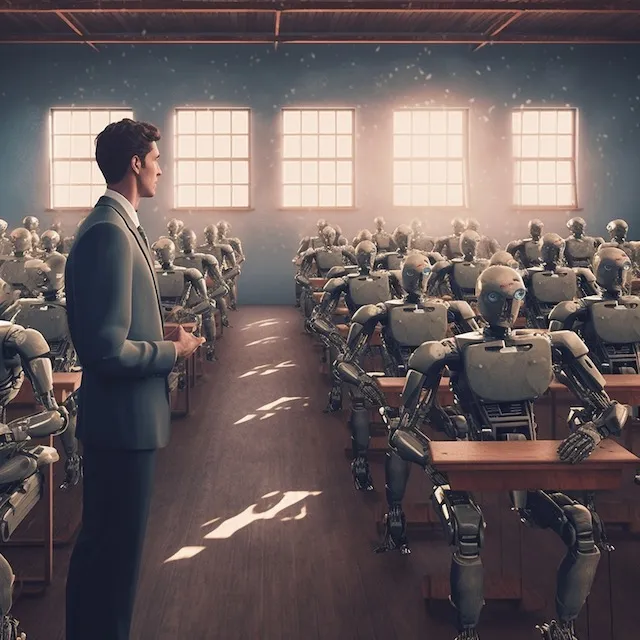
Briefings In-depth technical guides on the latest AI concepts

Liquid Neural Networks
Exploring dynamic neural networks that adapt continuously over time
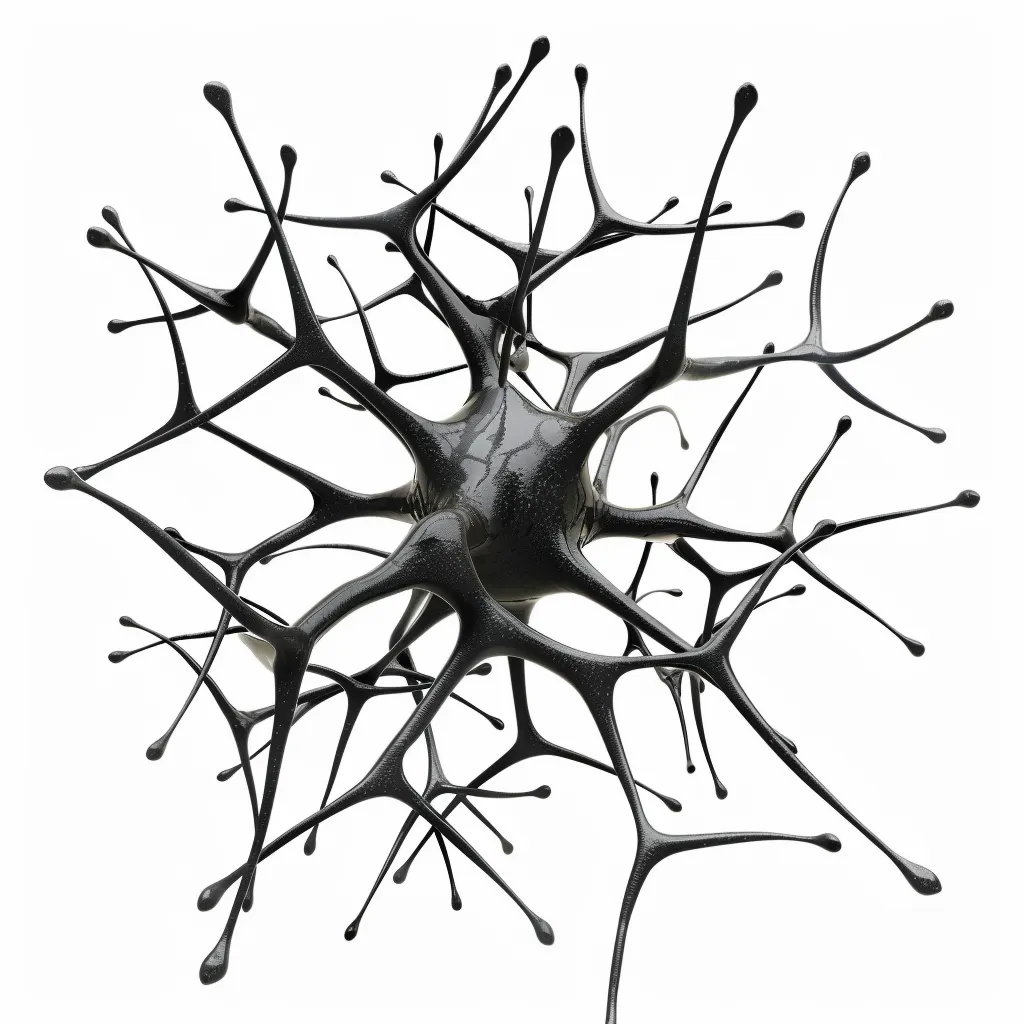
Spiking Neural Networks
Is this the next frontier in neural network architectures?

Hebbian Learning
Understanding the neural basis of learning and memory.
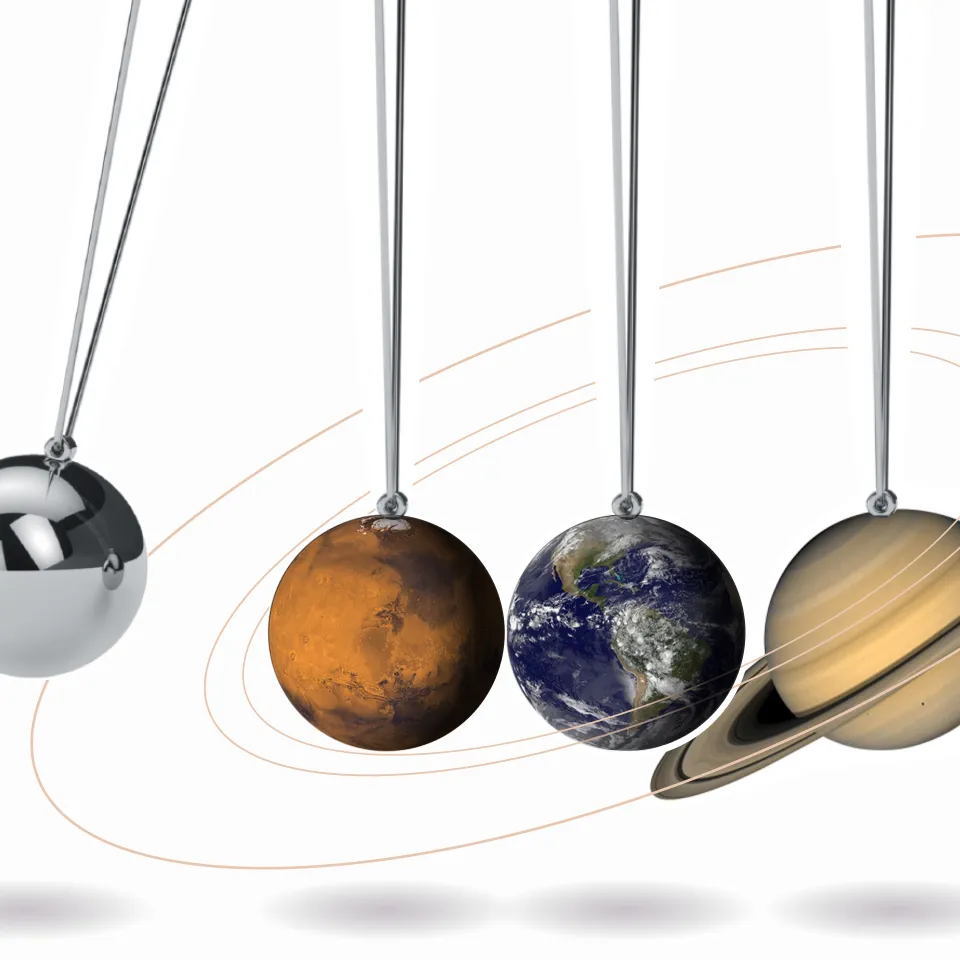
Perturbation Theory in Neural Networks
Explore how perturbation theory enhances neural network robustness and performance.
This Week’s News
-
Google rolls out Gemini 4 Hydrogen across its API, app and Search, with performance improvements claimed by Google, not independently reproduced. [Link]
-
Apple and OpenEvidence launch a U.S. health-AI study for eligible adults, with an app not intended to diagnose, treat or replace clinicians. [Link]
-
Claude adds Whiteboards and Sheets in beta and generally available Claude Data for paid plans; Enterprise Whiteboards/Sheets default off, while Data defaults on November 20. [Link]
-
Notion reports some Insights chat transcripts exposed in the Fireworks breach, affecting fewer than 1% of workspaces; affected customers should rotate credentials pasted during the incident. [Link]
-
MIT researchers demonstrate human-guided changes to AI-generated structural designs, improving manufacturability or linear buckling load, with the latter rising 39% in tests. [Link]
-
Nvidia’s OpenShell joins CNCF’s Sandbox with community governance for its agent-security runtime, and plans to adopt Cedar policies. [Link]
-
Google, Meta and TikTok challenge Indonesia’s proposed AI copyright rules, disputing news-link payments and AI disclosure requirements; the revisions remain under debate. [Link]
-
Visual Studio 2026 upgrades Copilot’s agent harness with mid-task steering and visible subagents, with Microsoft reporting better C# task results using the same model. [Link]
-
In an HFS/Rackspace survey, 33% of 502 enterprise AI decision-makers say their most significant programme met or exceeded its business case, a self-reported finding. [Link]
-
MIT researchers use unusual synthetic emissions scenarios to improve climate-emulator training, with full Earth-system-model scenario testing still planned. [Link]
-
TensorWave agrees to supply 457 MW of AMD-powered computing capacity for OpenAI, with initial delivery expected in H1 2027 and full deployment expected by early 2028. [Link]
-
California sues OpenAI over allegedly unsafe AI-agent testing and misleading safeguards claims, seeking injunctions and civil penalties. [Link]
-
Meta expands Muse’s business-calling feature to paid U.S. subscribers, reportedly handling appointments, automated menus and hold queues at U.S. businesses. [Link]
-
An Imperial survey finds 29% of Gen Z respondents use AI without their employer’s knowledge, measuring self-reported behaviour among UK workers. [Link]
-
Alibaba releases hosted Qwen4-Max with vision and a million-token context, based on vendor evidence; smaller open-weight models are promised, not released here. [Link]
-
Decatur residents challenge Google’s planned gas-and-carbon-capture power supply, seeking renewable alternatives and community input; the plant’s operation and capture performance remain future targets. [Link]
-
A peer-reviewed lara-hpc study demonstrates validation of AI-generated atomistic-simulation inputs before costly runs, using constrained tools and simulation-native dry runs. [Link]
-
Startup Kora announces an AI-focused Linux desktop designed to share context across local and cloud models, with release planned for 2027 rather than available now. [Link]
-
Gartner forecasts a net 1.7 million AI-related jobs gained globally by 2030, alongside disruption to entry-level and traditional programming roles. [Link]





Podcasts Your two favorite Deep Dive hosts discuss AI in depth, courtesy of NotebookLM
Primers Introductory texts on foundational AI concepts
Getting Started with Azure and OpenAI
How to use OpenAI's language models in Azure.
Neurosymbolic AI
Combining neural networks with symbolic reasoning.
Symbolic Artificial Intelligence
A comprehensive introduction to Symbolic AI.

Unleashing the Power of RAG with AWS Bedrock
An easy-to-understand guide on how to create a RAG application using AWS Bedrock.

Propositional and Predicate Logic: A Primer
A comprehensive primer on the theory and application of formal logic.